Browse All Courses
Find the right course for your year
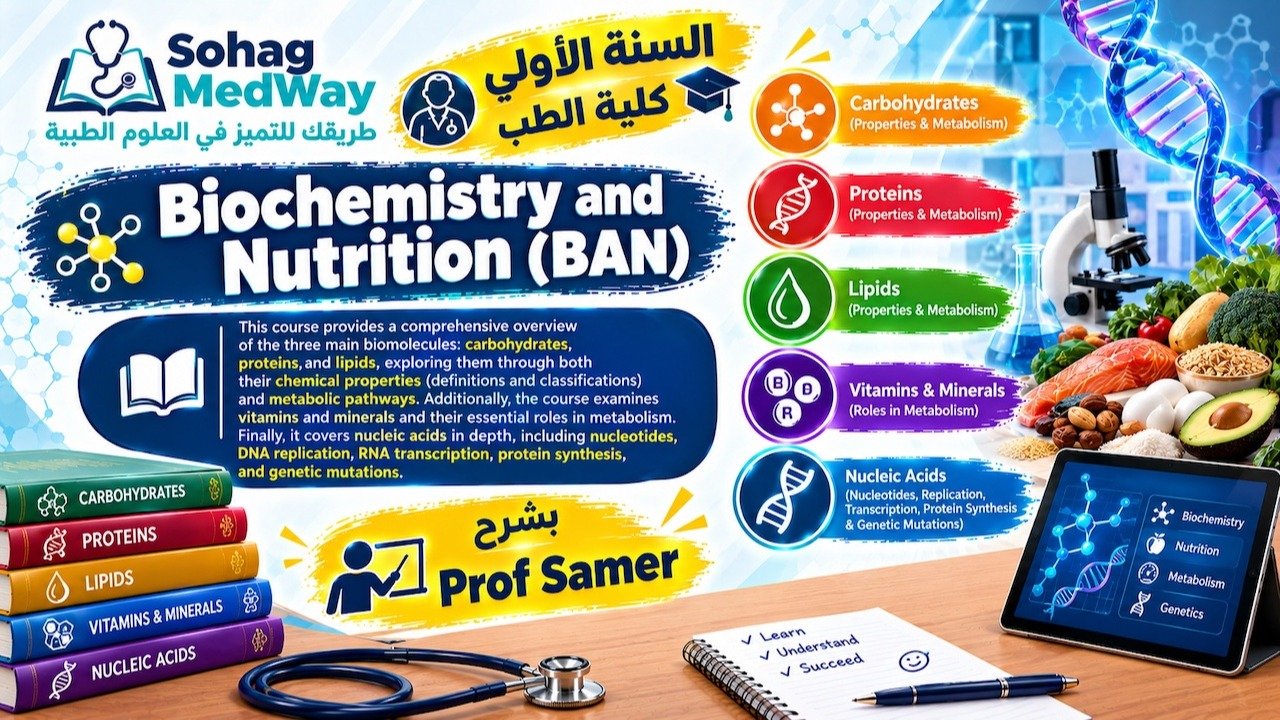
Biochemistry and Nutrition (BAN)
This course provides a comprehensive overview of the three main biomolecules: carbohydrates, proteins, and lipids, exploring them through both their chemical properties (definitions and classifications) and metabolic pathways. Additionally, the course examines vitamins and minerals and their essential roles in metabolism. Finally, it covers nucleic acids in depth, including nucleotides, DNA replication, RNA transcription, protein synthesis, and genetic mutations.
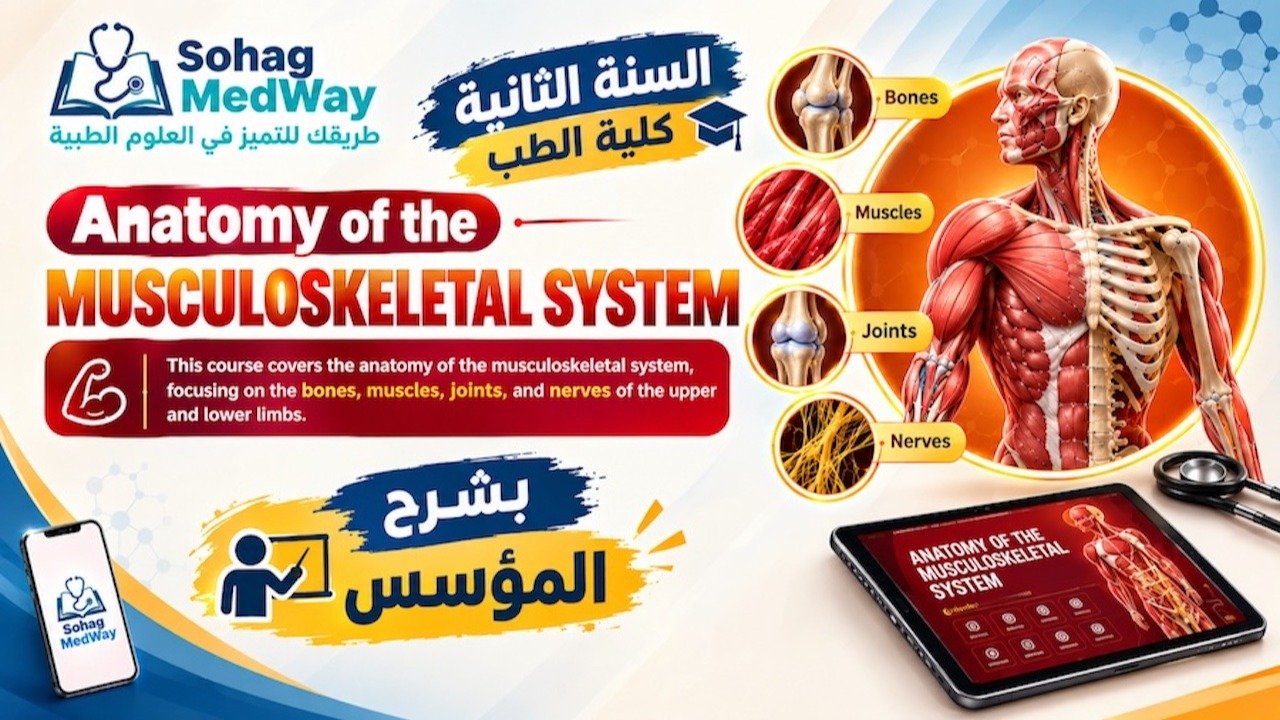
Musculoskeletal Anatomy (SMU)
This course covers the anatomy of the musculoskeletal system, focusing on the bones, muscles, joints, vessels and nerves of the upper and lower limbs.
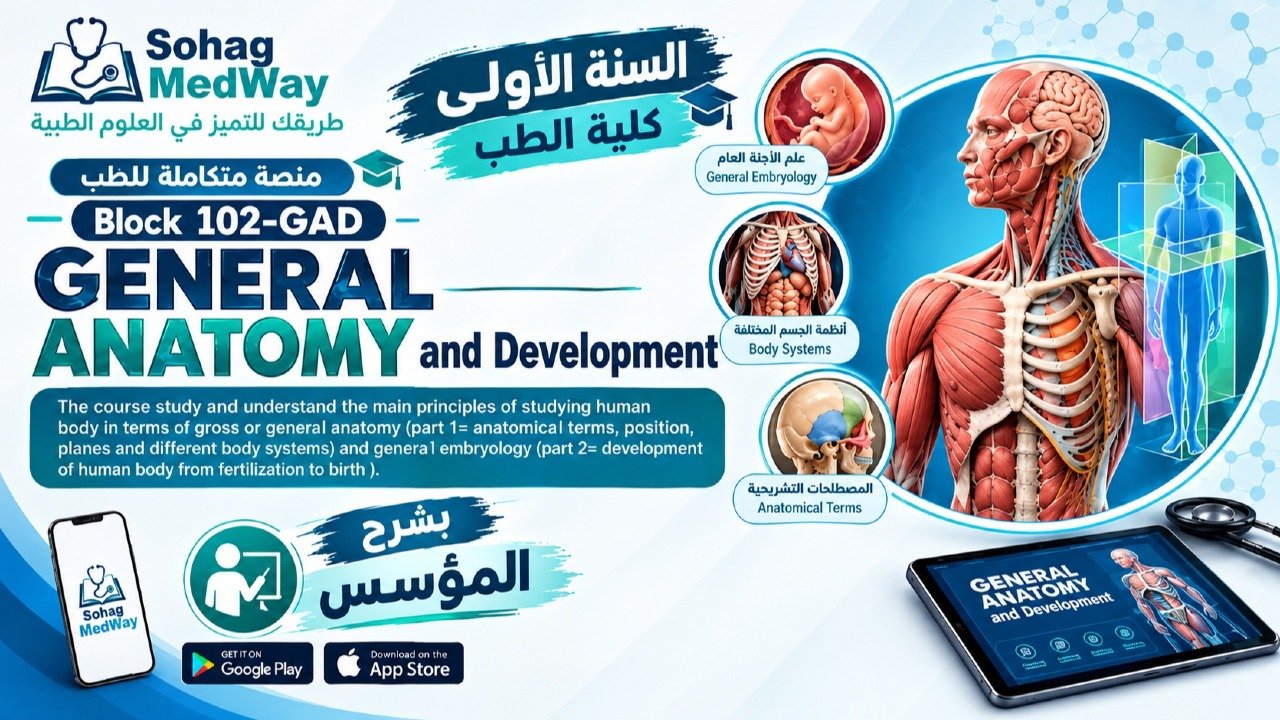
General ANATOMY and Development
This course covers the main principles of studying the human body in terms of gross (general) anatomy (Part 1: anatomical terms, positions, planes, and different body systems) and general embryology (Part 2: development of the human body from fertilization to birth).
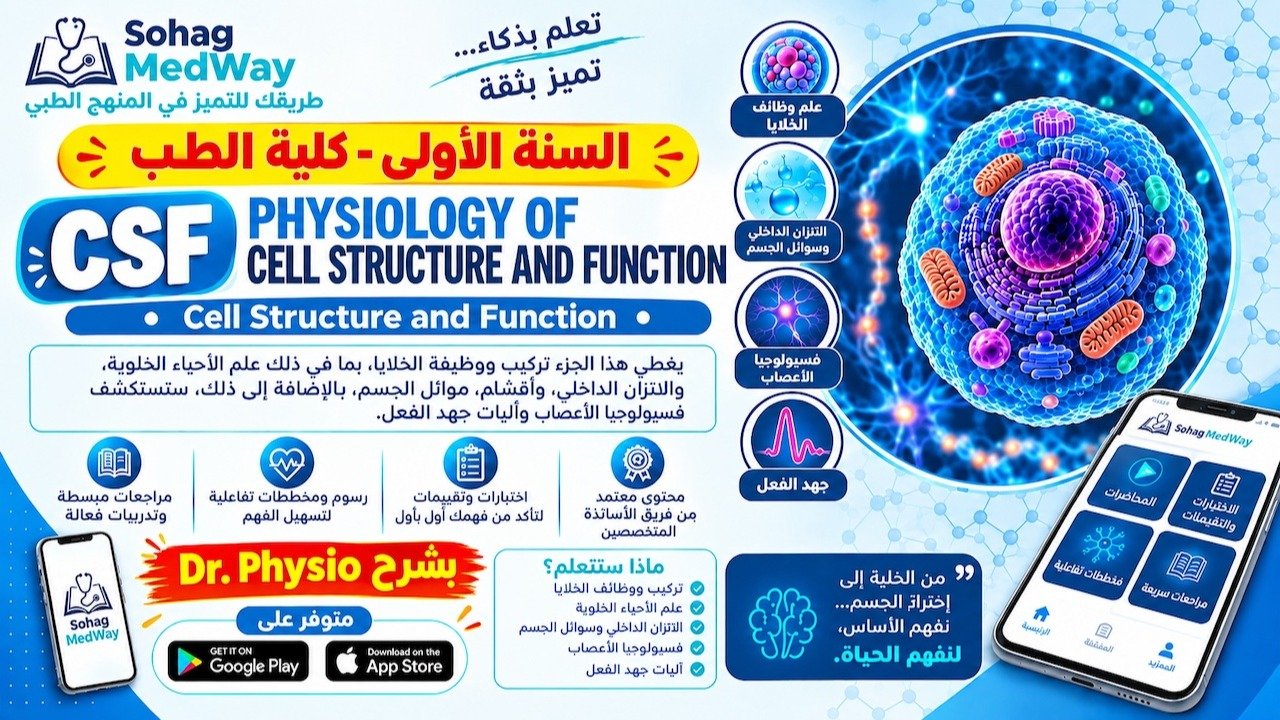
Physiology of CSF
This block covers cell structure and function, including cell biology, homeostasis, and body fluid compartments. Additionally, we will explore nerve physiology and the mechanisms of the action potential.
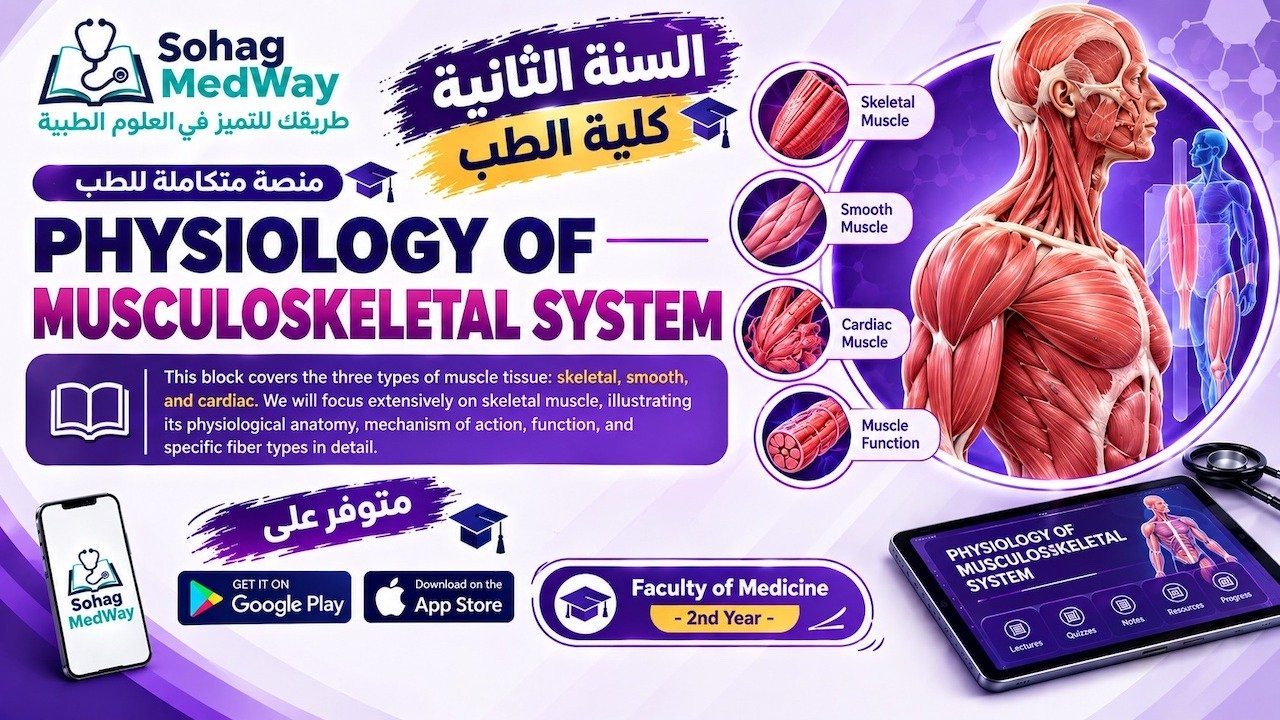
Physiology of Musculoskeletal System
This block covers the three types of muscle tissue: skeletal, smooth, and cardiac. We will focus extensively on skeletal muscle, illustrating its physiological anatomy, mechanism of action, function, and specific fiber types in detail.
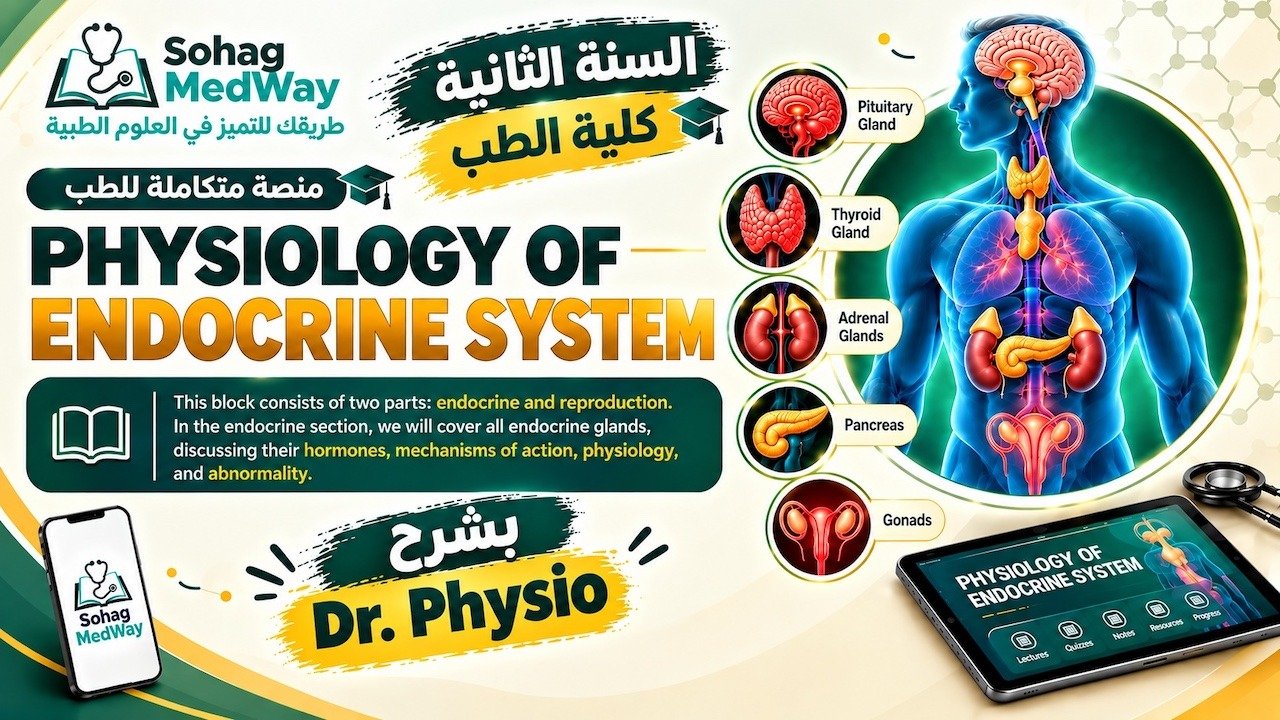
Physiology of Endocrine System
This block consists of two parts: endocrine and reproduction. In the endocrine section, we will cover all endocrine glands, discussing their hormones, mechanisms of action, physiology, and abnormality.